Bush & Barrel

Exploring Australia's wine regions from vine to barrel

A Journey Through Australian Wine

Whether you’re new to wine or a seasoned sipper, this blog will take you behind the labels into the heart of wine country.

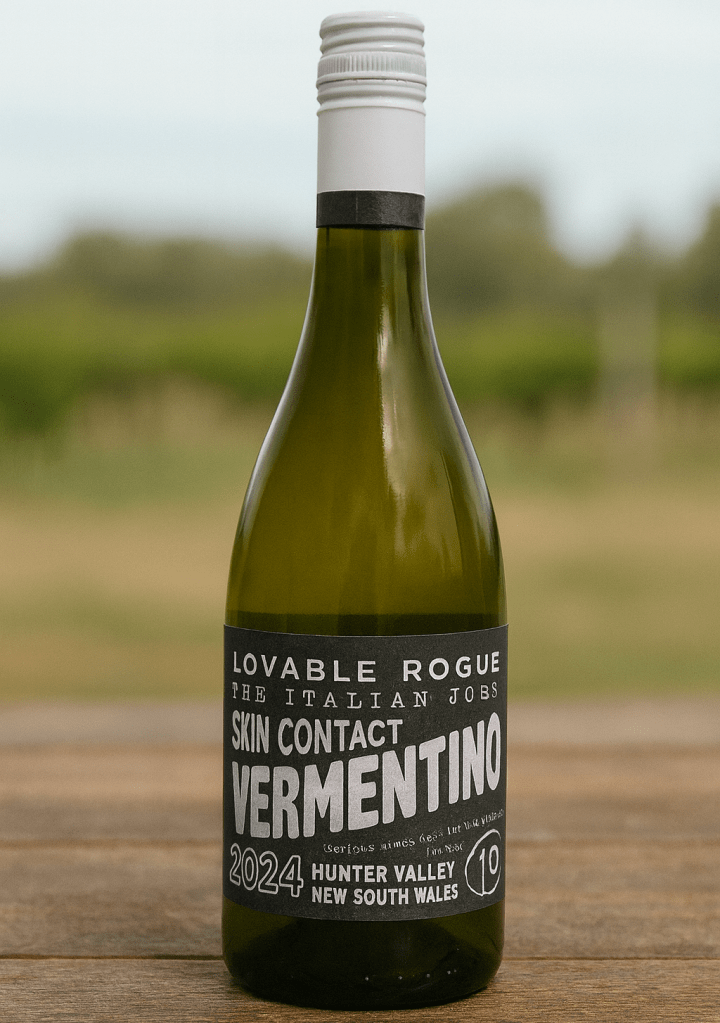
  • Italian grape varieties have found a second home in Australian vineyards, bringing with them centuries of heritage and a fresh sense of possibility. From Fiano and Vermentino to Sagrantino and Montepulciano, these grapes are quietly reshaping how Australian winemakers think about warmth, texture, and balance.

    Why Do They Fit?

    (more…)
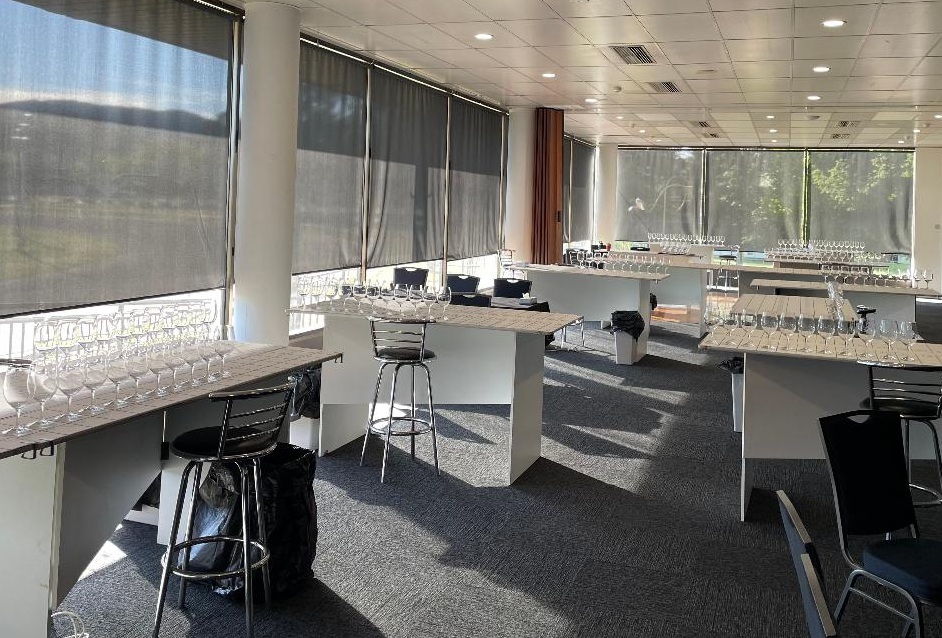
  • Earlier this November, I took part in a Wine Judge Training Course held by the Australian Society of Viticulture and Oenology (ASVO), delivered in partnership with the Canberra and Region Wine Show. I was selected as one of four people to join this pilot course, an immersive and structured program designed to build the skills needed for professional judging. Completing it has given me the confidence to take the next step and apply as an associate judge at wine shows around Australia.

    How Does Judging Really Work?

    (more…)
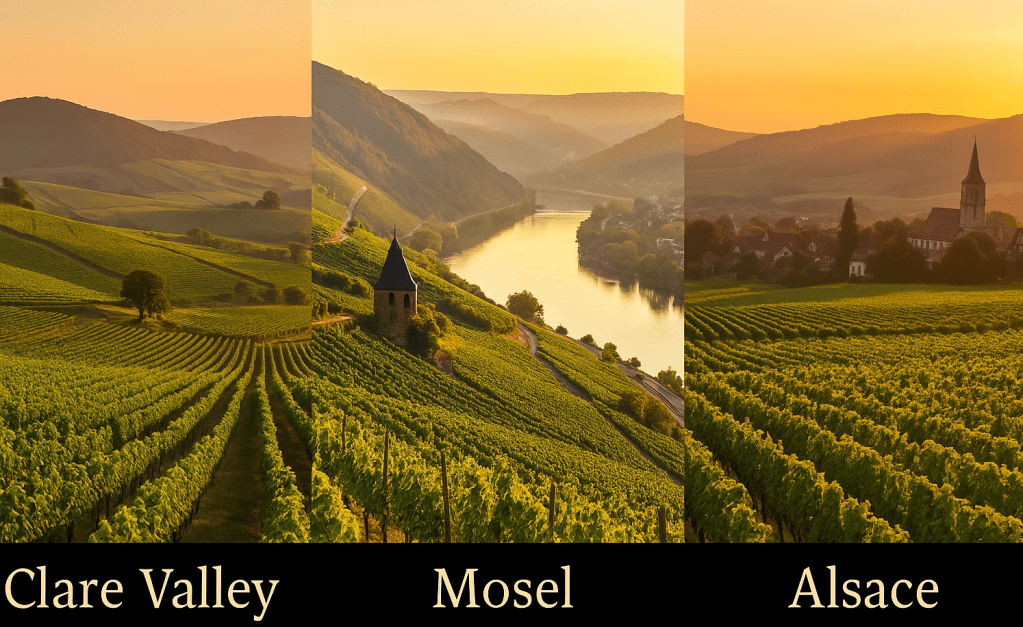
  • Riesling has always fascinated me for its honesty. It speaks of where it comes from with such clarity that even small changes in soil or sunlight feel amplified in the glass. To explore that, I poured three bottles side by side: one from Clare Valley, one from the Mosel, and one from Alsace, and let place do the talking. Same grape, three landscapes, three voices.

    How Does Place Shape Personality?
    (more…)
  • Winemaking is often described as both an art and a science. Grapes arrive at the winery carrying the imprint of soil, season and weather. From that point forward, the winemaker must decide when to guide the process and when to step back, allowing the fruit and fermentation to speak for themselves.

    Why Is Measuring and Monitoring So Important?
    (more…)
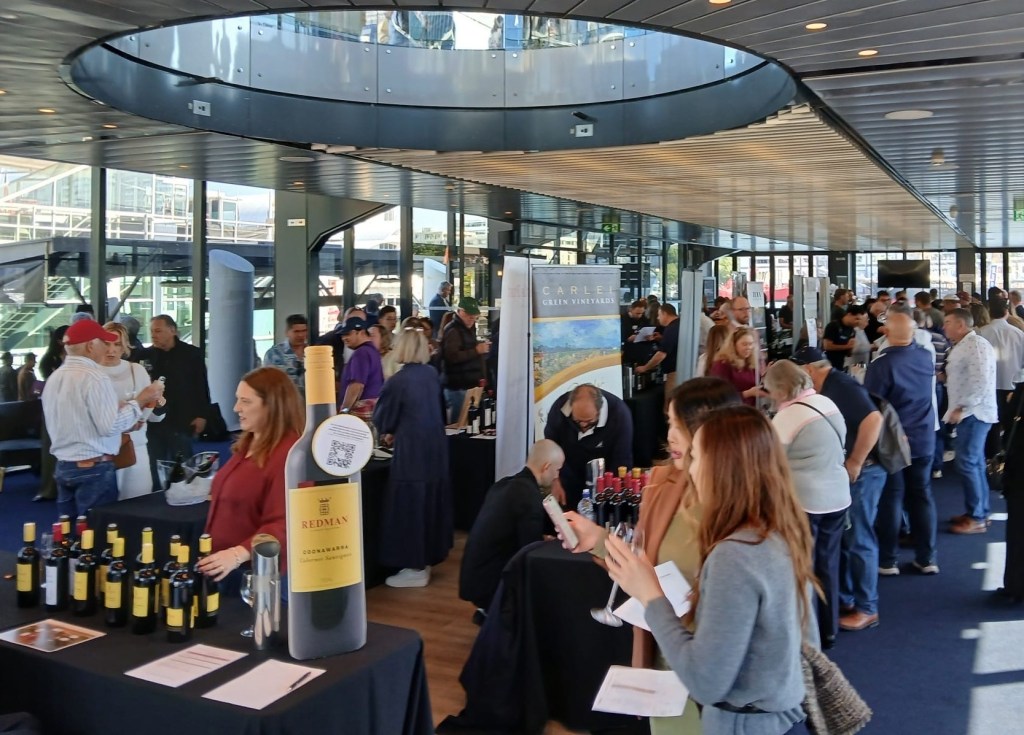
  • The recent Coonawarra in Sydney showcase was more than a tasting event. It was a living classroom in how site, soil, and climate shape the wines we love. Glass in hand, I found myself not only enjoying each pour but also learning, as every wine revealed something new about Coonawarra’s story.

    What Does Make Terra Rossa Soil So Legacy?
    (more…)
  • I recently had the opportunity to visit Hunter Bottling, a wine bottling company in the Hunter Valley, where owner Russell Smith kindly walked me through every stage, from the production line to the lab. It was a reminder that while we often focus on vineyards and cellars, the final stage of bottling quietly determines how a wine will be experienced by the consumer.

    How Does Wine Move from Tank to Bottle?

    (more…)
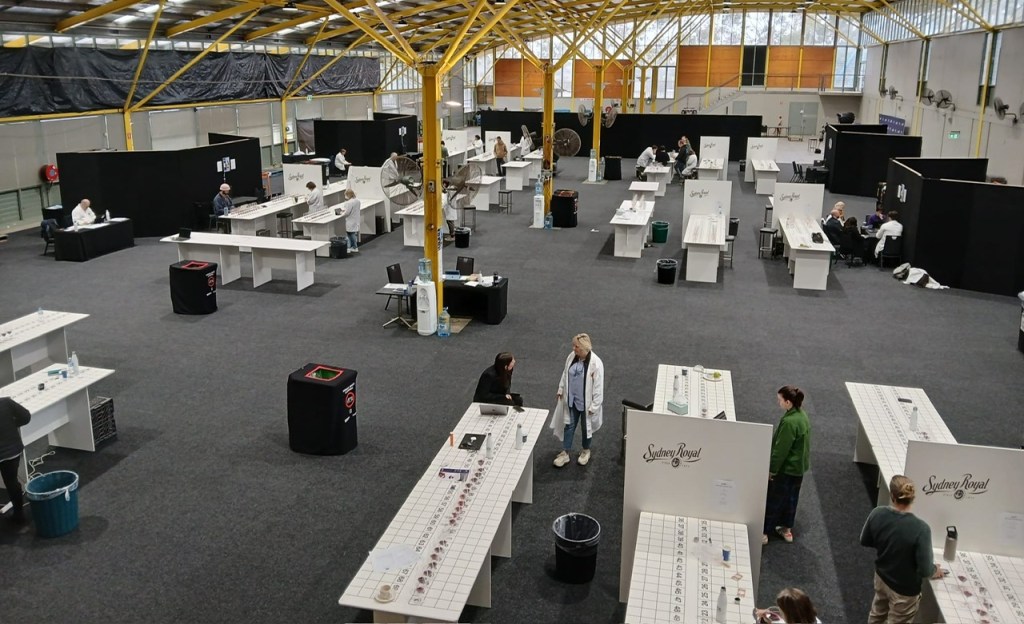
  • Last week, I had the privilege of stewarding at the 2025 Sydney Royal Wine Show. With close to 200 years of wine judging, it is one of the oldest and most prestigious wine competitions in Australia and even the world. It was an incredible opportunity to step inside the judging room, meet industry experts, and learn first-hand how quality is assessed. Around 30 judges convene over four days to taste more than 1,500 Australian wines. Gold, silver, and bronze medals are awarded in each class, with trophy winners announced after final deliberations.

    What Did I Learn as a Steward?
    (more…)
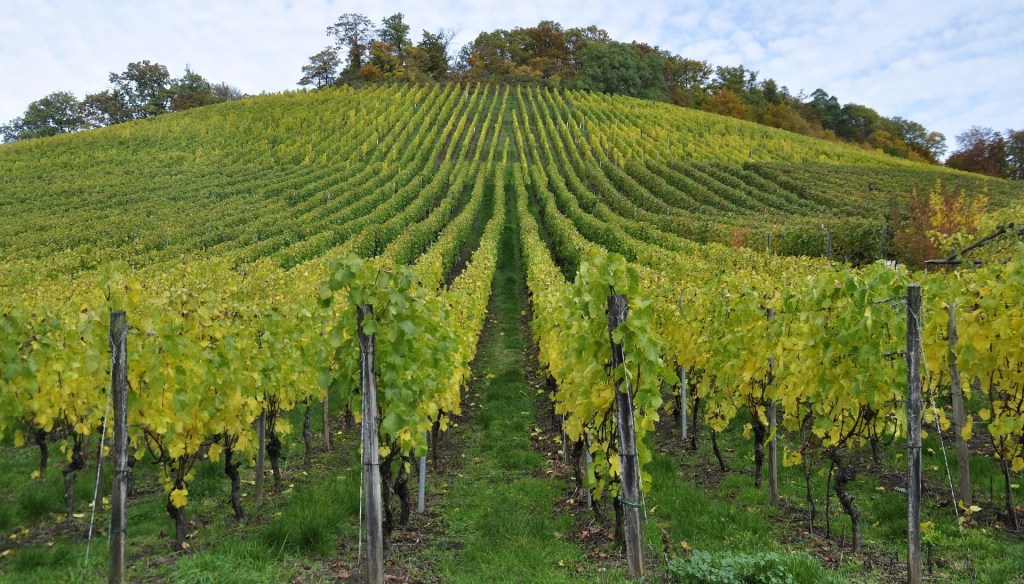
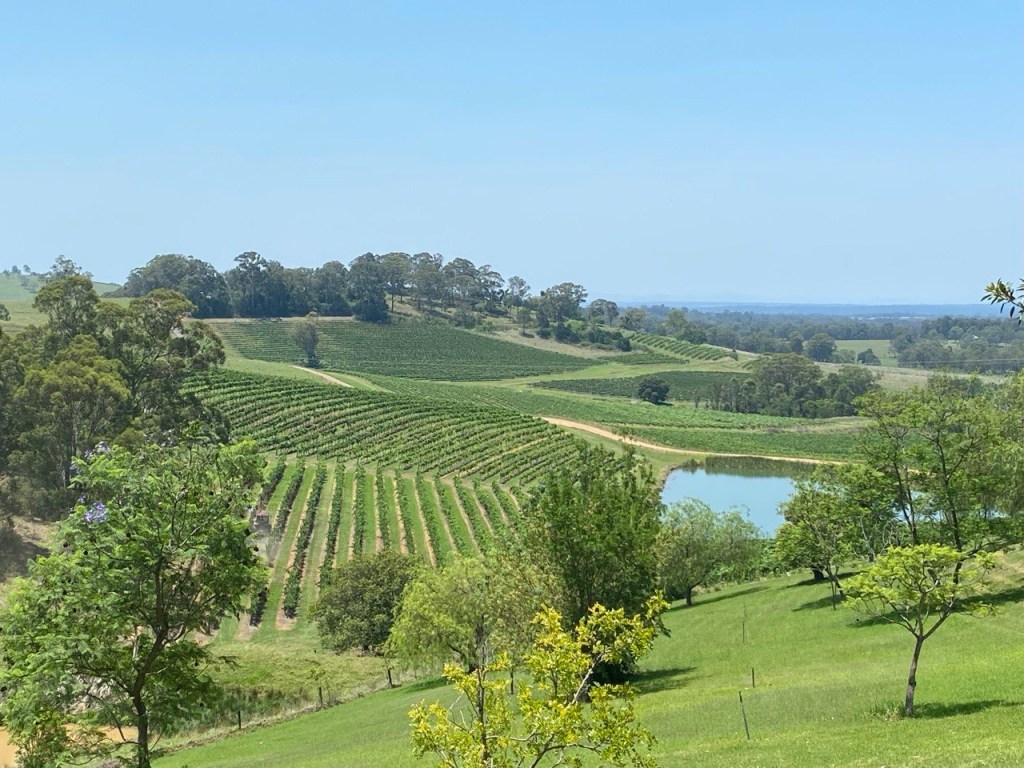
  • I recently had the chance to spend some time in the vineyard, observing winter pruning in action. It was a mix of spur pruning on Barbera and Chardonnay, and cane training on Semillon vines, both 3 years and 50 years old. A big thank you to Will Capper (Operations Manager at HVVM) and Peter Orr (winemaker and WSET educator) for sharing their time and knowledge. The photo above shows Braemore Vineyard in the Hunter, featuring 50-year-old and 3-year-old Semillon vines side by side.

    Why Does Winter Pruning Matter?
    (more…)
  • Australia’s southern coastline is home to two legendary wine regions, Margaret River in Western Australia, and McLaren Vale in South Australia. Though separated by thousands of kilometres, both regions deliver distinctive wines with a strong sense of place. Let’s explore how they compare.

    Which to Choose?
    (more…)
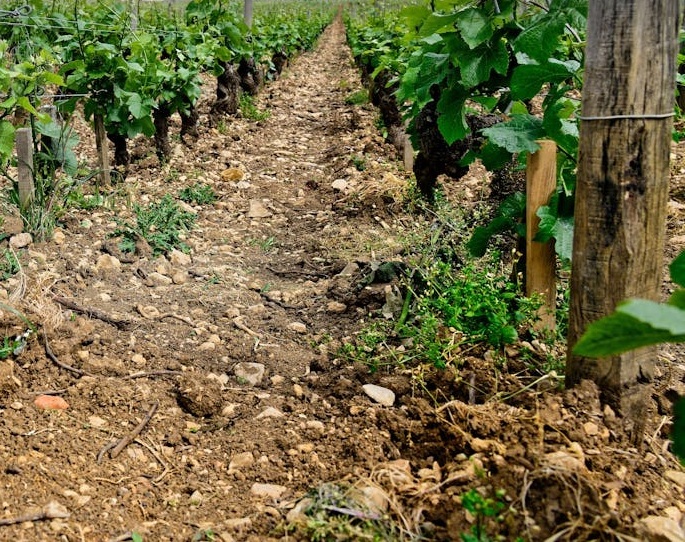
  • Australia’s diverse soils are more than just dirt. They are the soul behind every swirl of Shiraz or sip of Chardonnay. From the terra rossa of Coonawarra to the volcanic soils of the Hunter Valley, terroir leaves its fingerprint on every bottle.

    Much of Australia’s vineyard land sits on some of the oldest soils on Earth, weathered over millions of years and uniquely expressive of place. These ancient landscapes give rise to wines that speak with unmistakable regional identity.

    What Is Terroir, Really?
    (more…)
  • Australia is home to some of the world’s most distinctive wine regions, but none contrast quite like Barossa Valley and Yarra Valley. One is bold, sun-soaked, and powerful. The other is cool, refined, and layered. Both are celebrated, but they tell very different stories through the wines they produce.

    So, Which One’s “Better”?
    (more…)
  • Wine is a living reflection of time and place and no two years in the vineyard are ever the same. This is the beauty (and mystery) of vintage variation: how differences in weather, rainfall, and sunlight during a growing season can dramatically influence what ends up in your glass.

    What Does “Vintage” Really Mean?
    (more…)
  • When we talk about what makes Australian wine so diverse, we often mention climate and grape variety, but one of the most powerful and often overlooked influences is right under the vines: soil.

    Why Does Soil Matter?
    (more…)
  • Behind every good bottle of wine is a vineyard and increasingly, a sustainable vineyard. As climate change and consumer awareness grow, more Australian winemakers are embracing eco-conscious practices that protect the environment without compromising quality.

    Here are five key sustainability strategies you’ll find in vineyards across the country.

    1. Cover Crops & Biodiversity
    (more…)
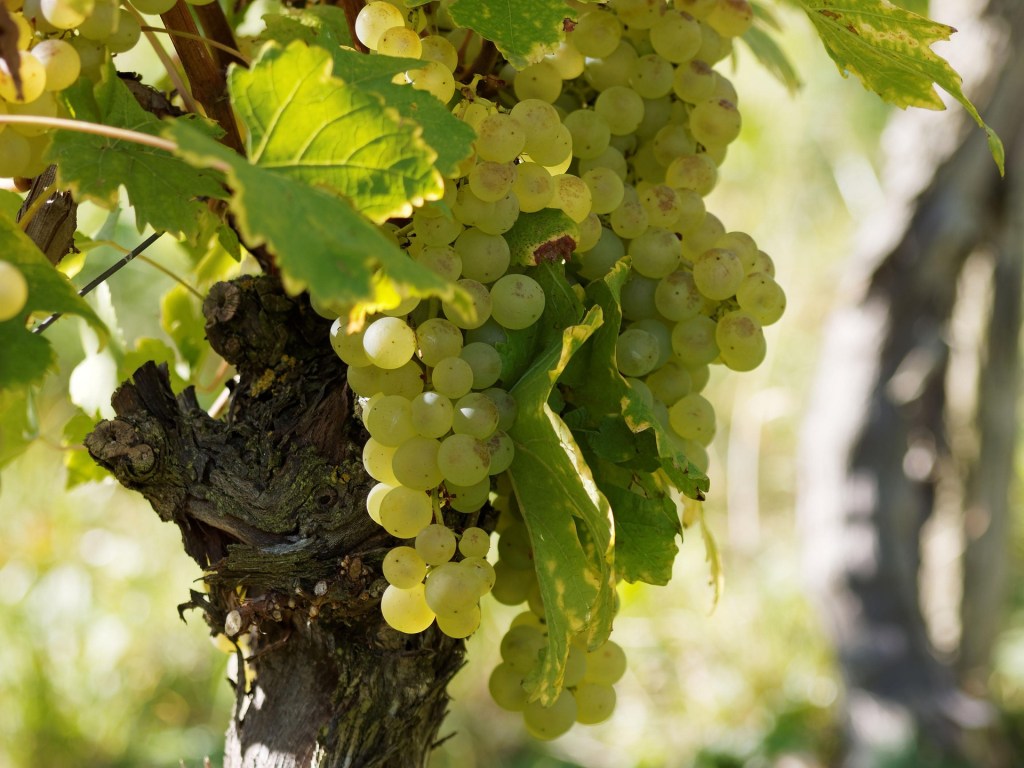
  • When people think of Australian wine, they often think of Shiraz, Chardonnay, or perhaps a rich Cabernet. But quietly, consistently, and with remarkable character, Semillon has held its place as one of Australia’s most distinctive and age-worthy white wines.

    Semillon isn’t flashy. It doesn’t rely on oak, flamboyant fruit, or intense aromatics. Instead, it tells its story with clarity, structure, and longevity. And in no place is that story more uniquely told than in Australia.

    What is Semillon?
    (more…)
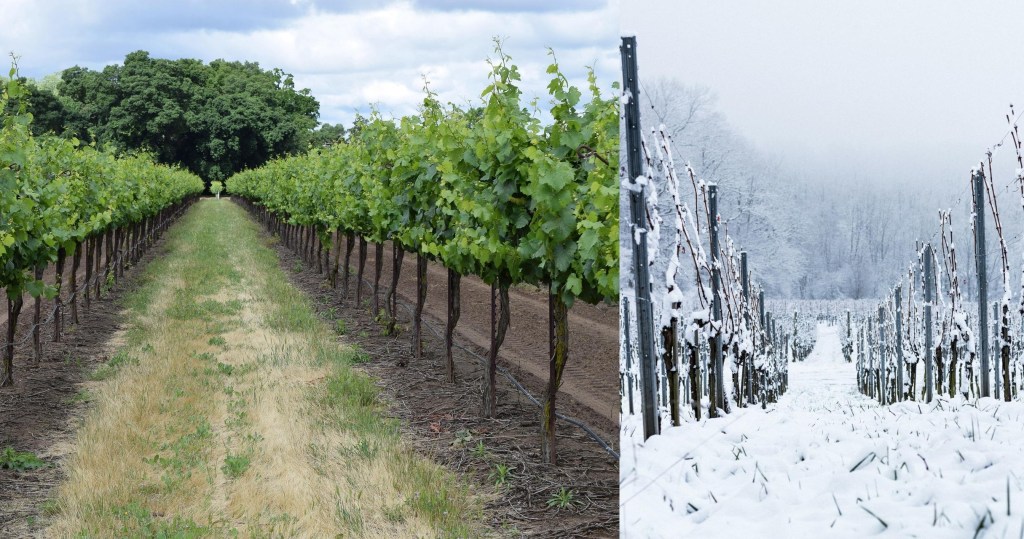
  • Australia’s vast landscape means the same grape variety can taste completely different depending on where it’s grown. From the heat of Barossa to the chill of Tasmania, climate plays a central role in shaping the flavour, structure, and style of wine.

    This is especially true for varieties like Shiraz and Chardonnay, which are grown across many regions and reflect their surroundings with remarkable clarity.

    What’s the Difference Between Cool and Warm Climates?
    (more…)
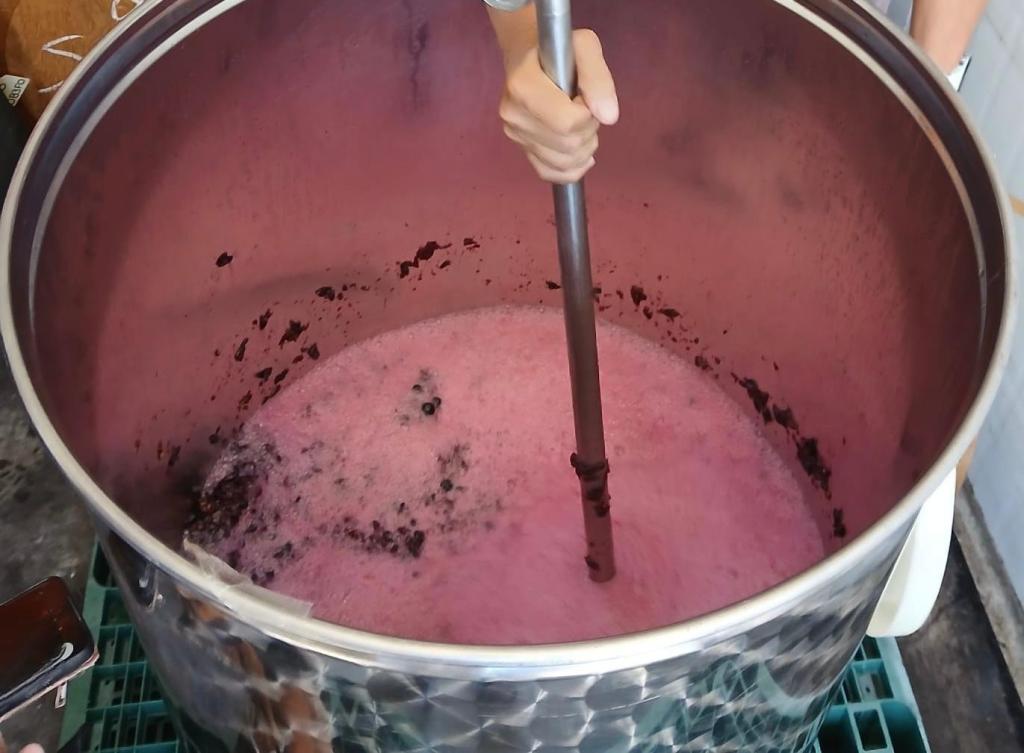
  • I recently spent several days in the heart of Queensland’s Granite Belt wine region, where cool-climate conditions meet a hands-on winemaking culture. It was a week of rolling up my sleeves, tasting and sometimes pressing the fruit of this rugged landscape, and walking away with lessons I’ll carry into every future vineyard and winery visit.

    How Do Co-Fermentation and No Skin Contact Shape Wine?

    (more…)
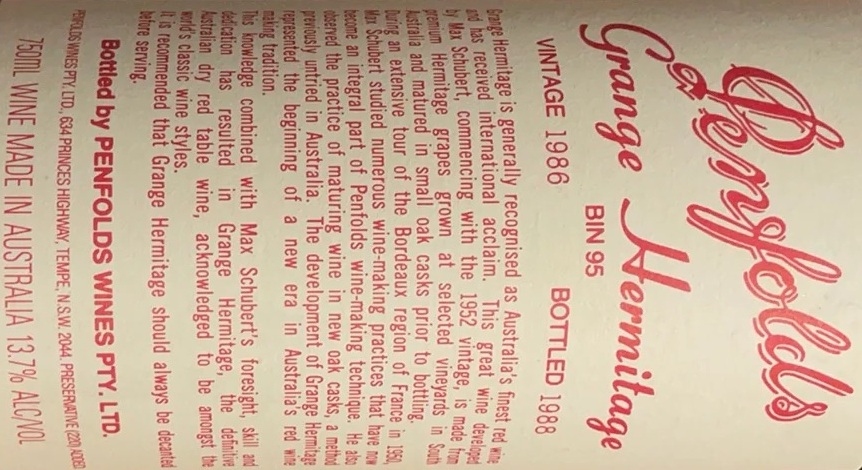
  • Standing in front of a wall of wine bottles can be exciting and a bit overwhelming. Between unfamiliar regions, grape names, and technical-sounding terms, it’s easy to feel unsure about what you’re actually buying.

    Australian wine labels are generally more straightforward than their European counterparts, but there’s still plenty to unpack. Here’s a practical guide to reading the front and back of the bottle, so you can make confident choices without second-guessing.

    Vintage: What Does the Year Tell You?
    (more…)
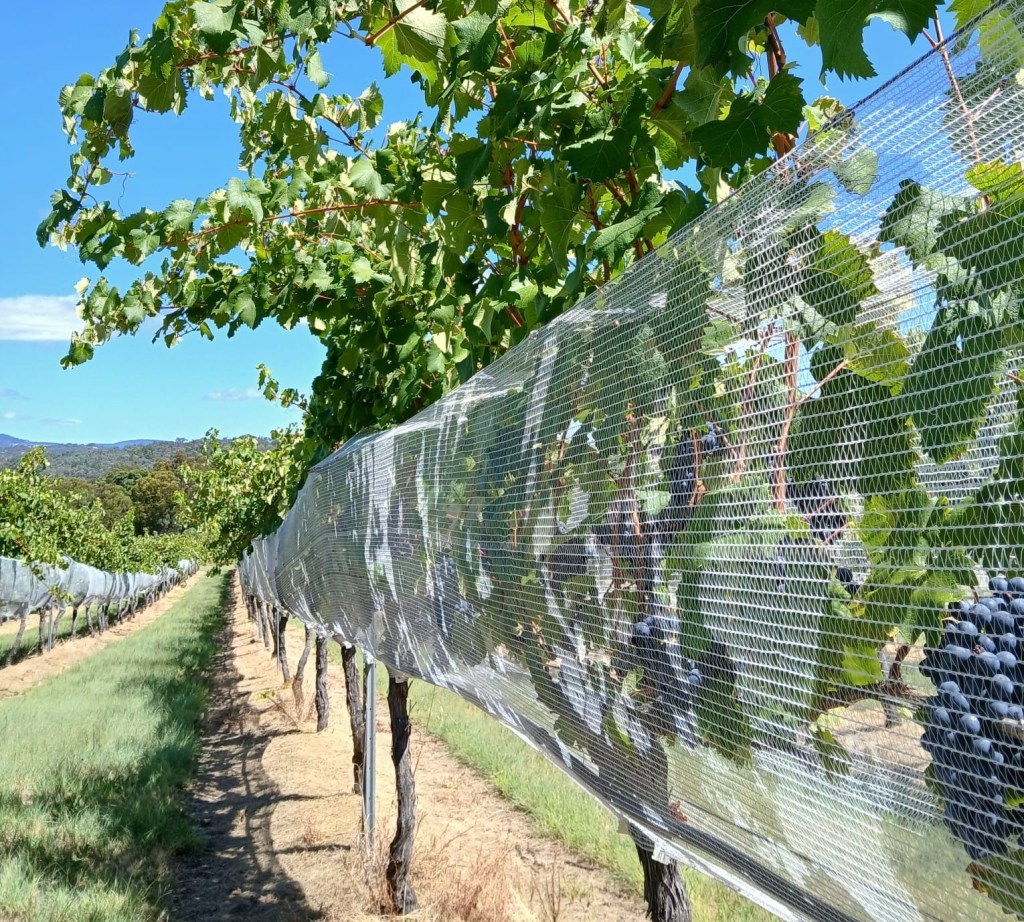
  • Australia is no stranger to climate extremes. From prolonged droughts to bushfires and scorching heatwaves, vineyards across the country face relentless environmental pressures. Yet through it all, the vines endure and so do the wines.

    This post explores how Australian viticulturists adapt to these conditions, what it means for the grapes, and how it shapes the character of the wine in your glass.

    How Do Vines Survive the Drought?
    (more…)
  • For many people, Australian wine means Shiraz. And while there’s no denying its star power, there’s a growing wave of winemakers exploring other grapes, many of them Mediterranean in origin that are thriving in Australian soil and climate.

    These emerging varietals are helping reshape the identity of Australian wine, offering freshness, adaptability, and exciting new flavour profiles. Whether it’s due to shifting tastes, climate pressures, or simple curiosity, they’re gaining ground fast.

    Why Look Beyond the Classics?
    (more…)
  • Wine language can feel a bit like a secret club, full of terms like phenolics, structure, and GI zones. But it doesn’t have to be that way. Australian wine is known for being approachable, and the way we talk about it should be too.

    Here’s a simple guide to some of the most common terms you might come across on bottles, at tastings, or in wine articles, no jargon, no fluff, just straight-up meaning.

    Grape Variety vs Blend
    (more…)
  • When we think about what shapes a wine’s character, we often focus on the grape and the vineyard. But once those grapes are picked, a quiet transformation begins, and it’s here during fermentation that some of the most defining choices are made.

    Fermentation transforms grape juice into wine, but it’s far from automatic. The type of yeast, the temperature of the ferment, and how the process is managed all influence what ends up in the glass. This post explores how Australian winemakers use fermentation not just as a process, but as a tool for expression.

    Hands-On or Hands-Off?
    (more…)
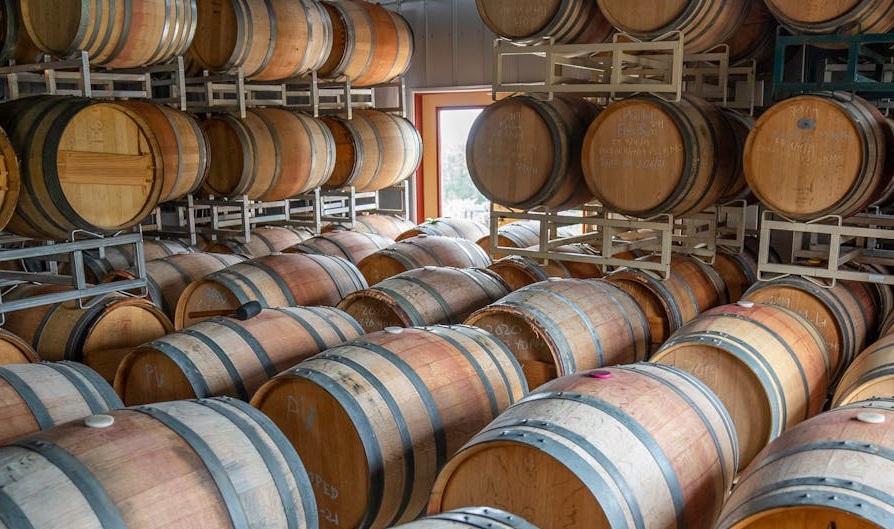
  • For many wine drinkers, oak is one of the most recognisable flavours in a glass. Vanilla, spice, toast, smoke, it’s all often thanks to the barrel. But in recent years, a shift has been happening in Australian winemaking. The bold oak signatures of the past are giving way to subtler, more thoughtful, and more textural expressions.

    This post explores how Australian winemakers are rethinking their use of oak. Instead of abandoning it, they are applying it more gently to let the fruit and vineyard character shine.

    A Quick Look at What Oak Does
    (more…)
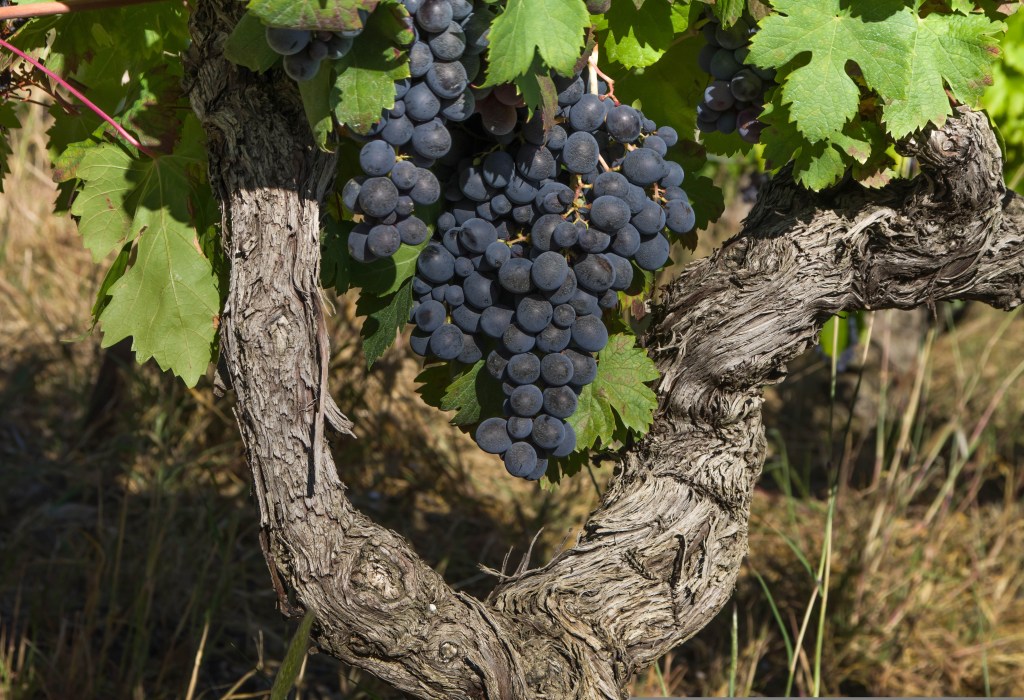
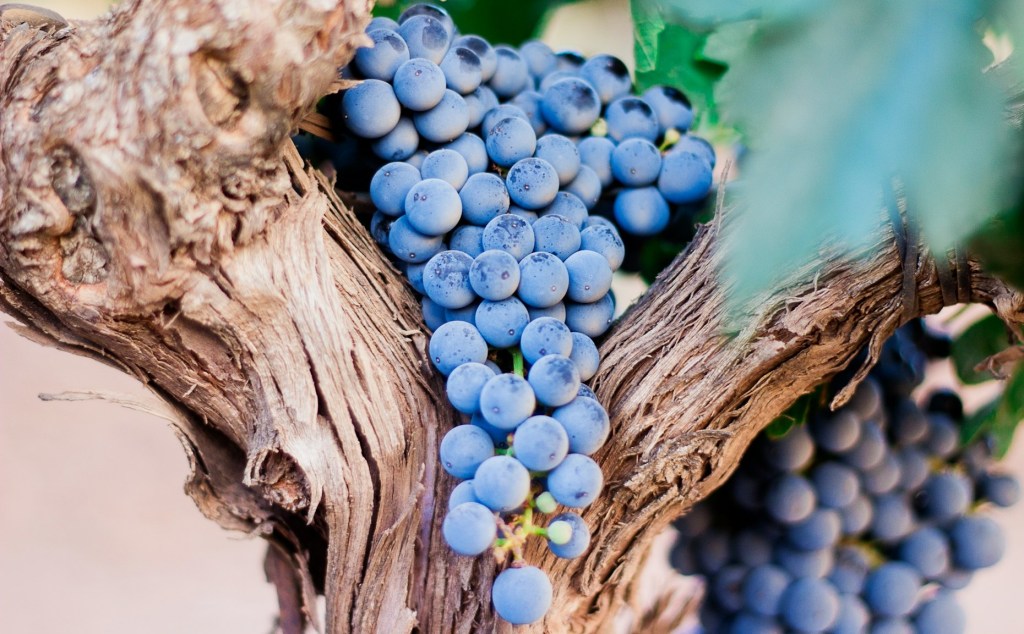
  • In some of Australia’s oldest wine regions, you’ll find vines that look nothing like the neatly trained rows of modern vineyards. These bush vines grow low to the ground, gnarled and sprawling. They carry not only age but also a quiet strength.

    They’re a living link to early viticulture in Australia, and their ability to endure drought, heat, and time makes them both humble and remarkable. In this post, we take a closer look at bush vines and why some of Australia’s most expressive wines still come from these old, untrellised plantings.

    What Are Bush Vines?
    (more…)
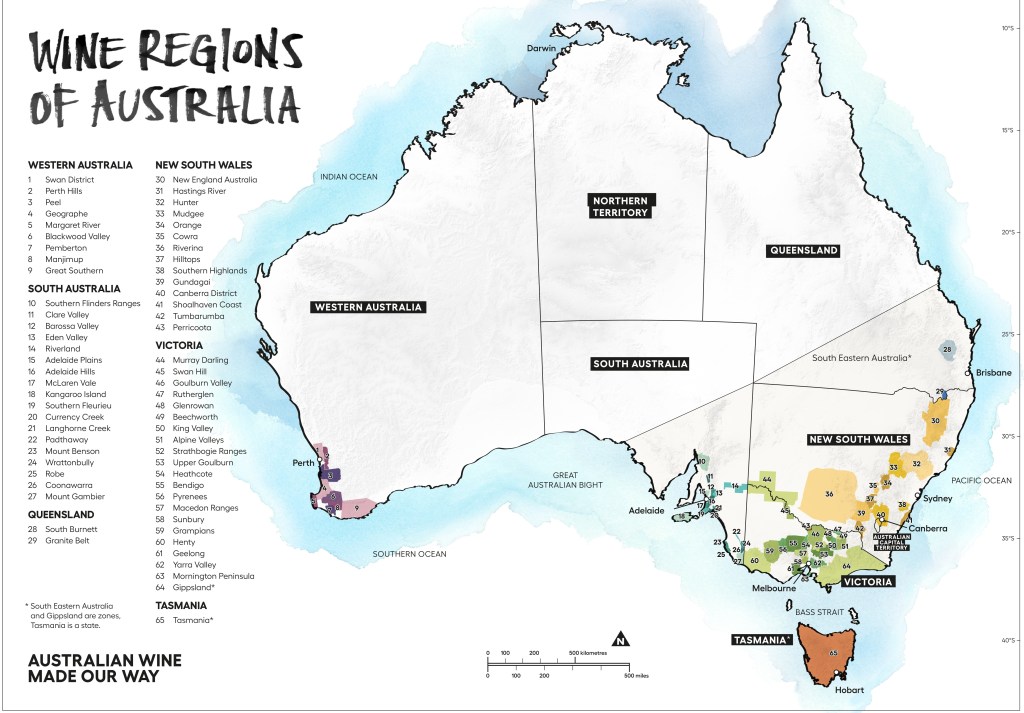
  • Australia is home to some of the most diverse and exciting wine regions in the world from ancient dry-grown vines in the Barossa to cool-climate Pinot in Tasmania. Whether you’re just getting into wine or planning a visit, here’s a quick guide to ten key regions and what makes each one unique.

    Top 10 Australian Wine Regions

    1. Barossa Valley (South Australia)

    (more…)