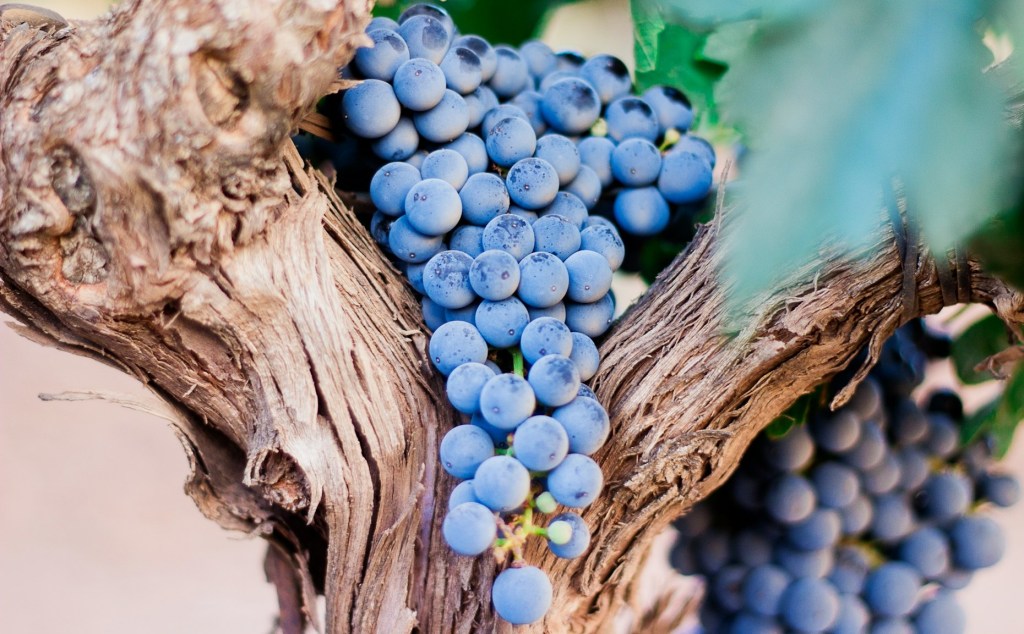
In some of Australia’s oldest wine regions, you’ll find vines that look nothing like the neatly trained rows of modern vineyards. These bush vines grow low to the ground, gnarled and sprawling. They carry not only age but also a quiet strength.
They’re a living link to early viticulture in Australia, and their ability to endure drought, heat, and time makes them both humble and remarkable. In this post, we take a closer look at bush vines and why some of Australia’s most expressive wines still come from these old, untrellised plantings.
What Are Bush Vines?
Bush vines are grapevines grown without the support of trellising systems. Instead of being supported on wires, they grow naturally, free-standing, with shoots growing upward and outward like a small shrub. This method was traditional in Australia’s early wine history, especially before irrigation and modern vineyard infrastructure became widespread.
Bush vines are more common in low rainfall areas, and are usually dry-grown (not irrigated). You’ll find them in parts of Barossa, McLaren Vale, Great Southern, and even isolated pockets of Clare Valley and Riverland.
Why Do They Matter?
Bush vines tend to produce low yields, but what they lack in quantity, they make up for in concentration and character. Because the vine puts its limited resources into fewer bunches, the grapes often have more depth of flavour, balanced natural acidity, and tannin structure.
They’re also naturally resilient:
- Deep roots tap into moisture below the surface
- Open canopies help manage wind and heat
- Leaf coverage provides natural protection from sunburn
In dry vintages, bush vines often outperform younger, irrigated vines offering greater consistency, balance, and flavour concentration.
Old Vines, Deep Stories
Australia is home to some of the oldest productive vines in the world, including bush vines planted in the 1800s. Many of these vines survived because Australia was largely spared from phylloxera, a vine-killing pest that wiped out most of Europe’s historic vineyards in the 19th century.
Old bush vines carry the fingerprint of their site. With deep roots and long memory, they produce wines that reflect their environment, vintage after vintage with minimal intervention.
Modern Rethinking of an Old Method
Once considered outdated, bush vines are now being rediscovered by growers and winemakers, especially in sustainable and dry-farmed viticulture. Planting bush vines requires more labour and spacing, but for the right site, it’s a long-term investment in quality and authenticity.
They’re also symbolic, a reminder that low yields, slow growth, and working with nature can produce something quietly powerful.
Final Sip
Not all vines need to be trained and tamed. Some, like bush vines, grow closer to the earth, older, slower, and more connected to their roots. They offer a glimpse of Australia’s viticultural past and a future that values resilience, character, and place over volume. In a world chasing efficiency, they stand firm and remind us that great wine doesn’t always come in neat rows.
 Bush & Barrel
Leave a comment