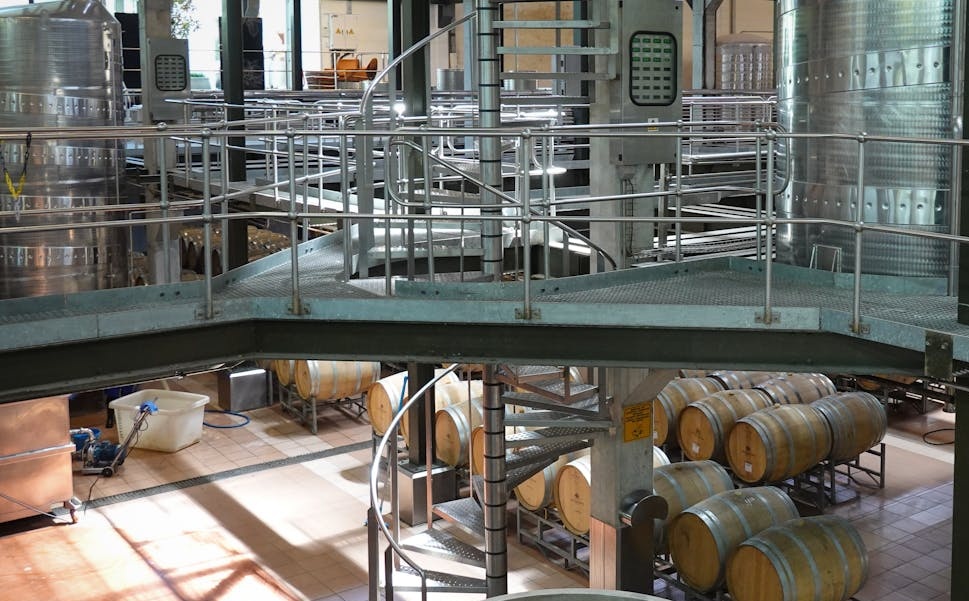
When we think about what shapes a wine’s character, we often focus on the grape and the vineyard. But once those grapes are picked, a quiet transformation begins, and it’s here during fermentation that some of the most defining choices are made.
Fermentation transforms grape juice into wine, but it’s far from automatic. The type of yeast, the temperature of the ferment, and how the process is managed all influence what ends up in the glass. This post explores how Australian winemakers use fermentation not just as a process, but as a tool for expression.
Hands-On or Hands-Off?
Fermentation reveals the winemaker’s style.
Some intervene, selecting yeasts, adjusting temperatures, stirring or pumping over to guide flavour, texture, and structure. Others prefer to step back, allowing native yeasts and ambient conditions to do the work.
This choice between precision and trust isn’t just a technique, it’s a philosophy. And it sets the tone for the wine from the very beginning.
Wild vs Cultured Yeast
One of the first decisions a winemaker makes is what yeast will drive fermentation. There are two main approaches:
Cultured Yeast
These are commercial strains selected for predictability. They ferment cleanly and efficiently, and are often chosen to highlight specific traits like fruity aromatics in Sauvignon Blanc or smooth texture in Chardonnay.
Wild Ferment (or Native Yeast)
This method relies on the natural yeasts living on the grape skins and in the winery environment. It’s less predictable but can result in greater complexity, earthier aromas, and more layered texture. Many small producers, especially in cooler regions, embrace this method as a way to reflect site character.
Both approaches can make beautiful wine. It’s about the intent behind the choice.
Temperature: Cool vs Warm Ferments
Temperature during fermentation affects how flavours and structure develop. It’s another area where a winemaker leaves their mark.
- Cool fermentation (10–15°C): Common in white wines. It preserves delicate aromatics like citrus, floral, and stone fruit notes. Wines fermented cool often feel crisp and bright.
- Warm fermentation (20–30°C): Used for most reds. It extracts more colour and tannin from the skins. Higher temps also bring out deeper fruit and spice flavours.
Some winemakers even ferment reds at slightly cooler temps for elegance, or whites slightly warmer for texture, depending on the grape and the desired style.
Fermentation Vessels: Steel, Oak, Clay & More
Fermentation doesn’t always happen in stainless steel tanks. Increasingly, winemakers are experimenting with:
- Oak barrels (used not just for aging but also fermentation) to build complexity and mouthfeel
- Concrete eggs for texture and thermal stability
- Clay amphora for subtle oxidation and a natural flow
- Open fermenters for reds that are manually ‘punched down’, a process where the cap of grape skins is gently pushed into the juice to manage tannin and flavour
These vessels influence temperature control, oxygen contact, and interaction with the wine’s solids, all of which shape taste and feel.
Final Sip
Fermentation may seem like a technical detail, but it’s a powerful moment of transformation. In the hands of a thoughtful winemaker, it becomes an expression of style, restraint, and purpose. It’s where chemistry meets creativity and where grape juice becomes wine, with all its character and complexity.
 Bush & Barrel
Leave a comment