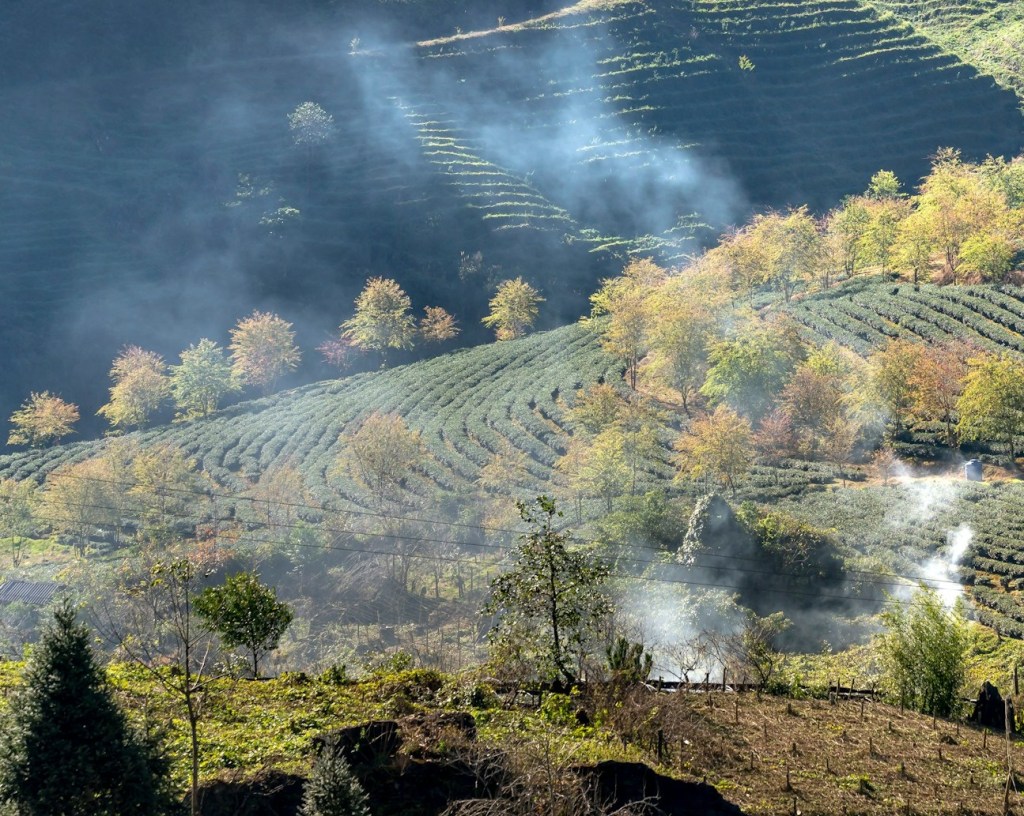
Australia is no stranger to climate extremes. From prolonged droughts to bushfires and scorching heatwaves, vineyards across the country face relentless environmental pressures. Yet through it all, the vines endure and so do the wines.
This post explores how Australian viticulturists adapt to these conditions, what it means for the grapes, and how it shapes the character of the wine in your glass.
How Do Vines Survive the Drought?
Drought is one of the most persistent challenges in many Australian regions, especially in inland and low-rainfall zones like Riverland, Clare, and parts of the Hunter. When water is scarce:
- Vines develop deeper roots in search of moisture
- Berries tend to be smaller, leading to more concentrated flavours
- Yields are often reduced, but quality can be very high
Growers manage this through methods like regulated deficit irrigation, mulching to reduce evaporation, and drought-tolerant rootstocks. Some even shift to dry farming entirely, relying solely on natural rainfall.
Heatwaves and Sunburn
Excessive heat can stress vines, damage grape skins, and accelerate ripening too quickly. This can lead to high sugar, low acid, and imbalanced wines if not managed carefully.
Adaptation strategies include:
- Canopy management: keeping leaves to shade the fruit
- Delayed pruning: slowing the vine’s growth cycle to avoid peak ripening during heatwaves
- Row orientation and site selection: ensuring vines face cooler exposures or catch cooling breezes
Winemakers may also adjust harvest timing or use cooling techniques during fermentation to preserve freshness and balance.
Smoke Taint and Bushfires
One of the most dramatic threats is smoke from nearby bushfires, which can cling to grape skins and affect the aroma and flavour of finished wine. This doesn’t always mean the wine will be ruined, but if the smoke exposure is heavy or prolonged, it can result in undesirable characteristics like ashy, burnt, or medicinal notes.
Responses to bushfire risk include:
- Lab testing grapes for smoke compounds before harvest
- Gentle winemaking (e.g. avoiding skin contact in reds)
- Focusing on unaffected blocks or earlier-picked fruit
- In some cases, choosing not to release a vintage at all
Although heartbreaking, these decisions often reflect a strong commitment to quality and transparency.
The Vine’s Natural Resilience
One of the most remarkable things about grapevines is their ability to adapt. Old vines, in particular, tend to be more resilient with deeper roots, slower growth, and better drought tolerance. In Australia, some of the oldest dry-grown vines in the world continue to produce expressive, balanced fruit year after year.
Resilience is also built into viticultural planning. Growers are now planting more heat-tolerant varieties like Grenache, Tempranillo, Fiano, and Vermentino in regions once dominated by cooler-climate grapes.
Final Sip
Australia’s wine industry has always been shaped by the environment and in many ways, strengthened by it. From drought and heat to smoke and uncertainty, what endures is a spirit of adaptation, resourcefulness, and deep respect for the land.
Each vintage is a reflection not just of the season, but of the resilience behind every vine and every bottle.
 Bush & Barrel
Leave a comment