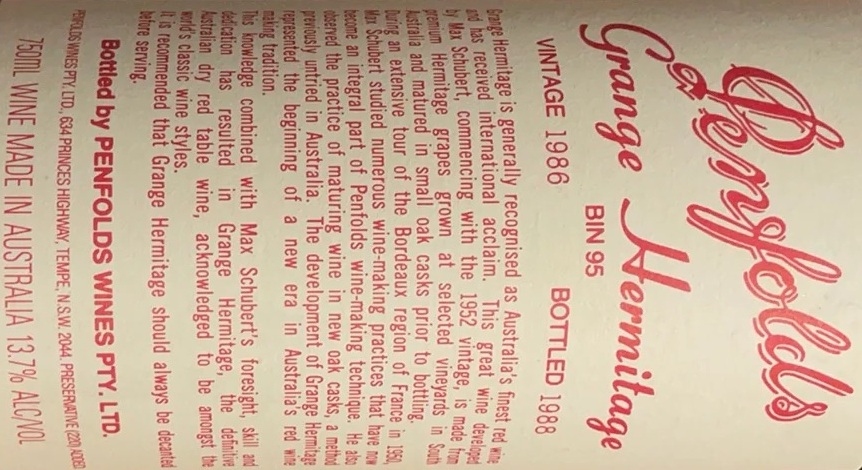
Standing in front of a wall of wine bottles can be exciting and a bit overwhelming. Between unfamiliar regions, grape names, and technical-sounding terms, it’s easy to feel unsure about what you’re actually buying.
Australian wine labels are generally more straightforward than their European counterparts, but there’s still plenty to unpack. Here’s a practical guide to reading the front and back of the bottle, so you can make confident choices without second-guessing.
Vintage: What Does the Year Tell You?
The vintage refers to the year the grapes were harvested. This matters because every growing season is slightly different. Warmer years tend to produce riper, fuller wines, while cooler years often yield wines with more acidity and structure.
You don’t need to memorise vintage charts, but it helps to notice patterns. For example:
- A 2021 Chardonnay from Tumbarumba may be tighter and more citrusy than a 2018 from the same vineyard.
- A 2020 Barossa Shiraz might be riper and rounder than a 2022 vintage due to weather differences.
Some sparkling wines and multi-year blends may be labelled NV (non-vintage) meaning they combine grapes from multiple vintages to achieve a consistent style. This is especially common in sparkling wine, where producers aim for reliability across releases.
Varietal and Region: The Basics
Most Australian wines are labelled by grape variety such as Shiraz, Chardonnay or Pinot Noir, giving you a general sense of the wine’s character. But the region is just as important.
For example:
- Chardonnay from Margaret River is often fuller-bodied with stone fruit and oak.
- Chardonnay from Yarra Valley or Tumbarumba leans lighter, with citrus and mineral notes.
- Shiraz from Barossa is rich and plush; from Grampians or Canberra, it’s spicier and more elegant.
Some bottles also include sub-regions or GI (Geographical Indication) zones for more precision.
Alcohol Percentage: More Than a Number
The alcohol content usually found in small print near the bottom of the label gives you clues about a wine’s weight and warmth.
- Wines at 11–12% tend to be light and refreshing.
- Wines between 13–14.5% are often fuller, rounder, and more intense.
- Above 15% suggests a bold, ripe style, often with powerful fruit.
If you prefer something light and crisp, aim for the lower end. If you like rich reds or fuller whites, go higher.
Extra Clues: What’s Worth Noting
Some labels include additional information that offers insight into the winemaking approach:
- Single Vineyard: All grapes come from one site, often more focused in flavour.
- Wild Ferment: Fermentation occurred with natural yeasts, expect more complexity or subtle funk.
- Unfined / Unfiltered: The wine may appear slightly hazy and have natural sediment.
- Organic, Biodynamic, or Sustainable: These terms reflect farming practices, some are certified, others are informal.
Back labels can also include tasting notes, cellaring advice, and food pairings. Sometimes they’re useful, sometimes generic, but worth a glance.
Final Sip
Wine labels aren’t meant to be cryptic, but without a little context, they can feel that way. Once you know what to look for, they become powerful guides, helping you navigate styles, regions, and winemaking techniques with confidence. Over time, reading the label becomes second nature and part of the joy of discovering wine.
 Bush & Barrel
Leave a comment