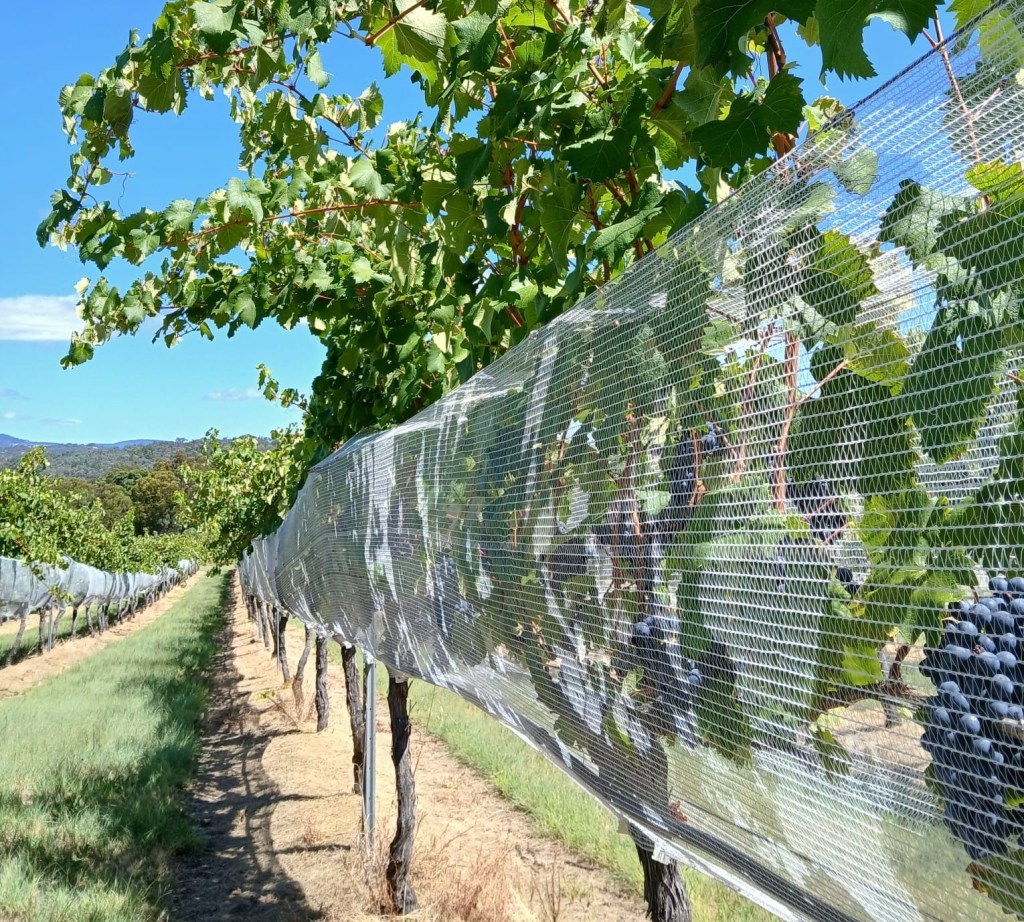
I recently spent several days in the heart of Queensland’s Granite Belt wine region, where cool-climate conditions meet a hands-on winemaking culture. It was a week of rolling up my sleeves, tasting and sometimes pressing the fruit of this rugged landscape, and walking away with lessons I’ll carry into every future vineyard and winery visit.
How Do Co-Fermentation and No Skin Contact Shape Wine?
Processing freshly picked grapes straight from destemming into a press, separating free-run juice from press fractions, and avoiding skin contact helps protect delicate flavours. Using variable-capacity tanks minimises oxygen exposure and allows small-batch flexibility. Daily checks of temperature and Baumé ensure fermentation runs smoothly and show how vineyard decisions influence the winery process. Co-fermentation, combining varieties at the start of fermentation, encourages integration of flavour and structure in ways that blending later cannot fully achieve. Attention from the very beginning sets the stage for a more harmonious wine.
Clay Vessels for Texture and Complexity
Clay vessels buried underground create a micro-oxygenated environment that builds texture and complexity. Their shape encourages fine sediment to settle naturally, reducing the need for heavy filtration. This traditional approach may seem unusual in Australia, but it highlights how alternative methods can influence wine character.
Vineyard Health and Post-Fermentation Choices
Balanced nutrition is vital, with nutrient deficiencies showing in leaves and influencing ripening and flavour. Each grape variety’s growth habit affects trellising, canopy management, sunlight exposure, and disease control. The photo above illustrates this point, showing the upright, vertical growth habit of the Mourvèdre grape. Barrel aging adds tannin and complexity, while slow oxygen ingress softens flavours. This demonstrates how vineyard care and post-fermentation decisions work together to shape the final wine.
Precision During Fermentation and Skin Contact
Careful yeast rehydration prevents shock, and the right strain influences fermentation behaviour and aromatic profile. Rapid on-site measurements of Baumé, pH, and acidity allow adjustments such as balancing must chemistry before fermentation. Extended skin contact can build depth and phenolics, but timing is crucial. Pressing before bitterness develops ensures freshness. Traditional hands-on methods such as basket pressing can gently extract juice with minimal solids and phenolics when done carefully at the right stage, making it a valuable technique, especially for white wines.
Final Sip
The Granite Belt may be small on the map, but it is rich in lessons. This visit was not just about seeing how things are done, but understanding why. From clay vessels to identifying nutrient stress to pressing skin-contact whites at the right moment, every detail matters.
 Bush & Barrel
Leave a comment