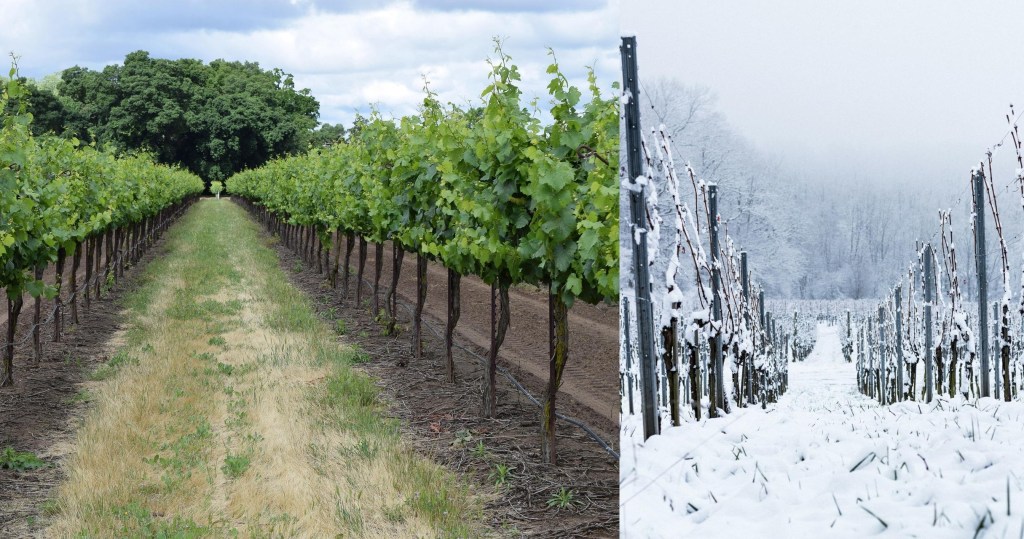
Australia’s vast landscape means the same grape variety can taste completely different depending on where it’s grown. From the heat of Barossa to the chill of Tasmania, climate plays a central role in shaping the flavour, structure, and style of wine.
This is especially true for varieties like Shiraz and Chardonnay, which are grown across many regions and reflect their surroundings with remarkable clarity.
What’s the Difference Between Cool and Warm Climates?
In general, warm-climate vineyards experience more sunshine and heat throughout the growing season, leading to grapes that ripen faster and more fully. Cool-climate regions ripen grapes more slowly, allowing acidity to stay higher and flavours to develop more delicately.
Altitude can also be a key factor. Many cool-climate vineyards sit at higher elevations, where cooler temperatures help preserve acidity and stretch out the ripening season.
The result? The same grape can produce bold, fruit-driven wine in one place and lean, restrained wine in another.
Shiraz: A Tale of Two Styles
Shiraz is a great example of this contrast. In warm regions like Barossa Valley or McLaren Vale, Shiraz tends to be full-bodied with ripe blackberry, plum, and spice, often supported by noticeable oak and soft tannins.
In cooler regions like Canberra District, Grampians, or Hilltops, Shiraz expresses itself with more pepper, red fruit, and structure. The body is lighter, the acidity higher, and the spice more pronounced.
Both styles are recognisably Shiraz, but they speak very different dialects of the same grape.
Chardonnay: From Rich to Refined
Chardonnay also shows climate influence clearly. Warmer areas often produce wines with tropical fruit, ripe peach, and round textures. Oak influence and malolactic fermentation may add creamy notes and richness.
Cooler regions like Yarra Valley, Tasmania, or Tumbarumba produce Chardonnays with citrus, green apple, and minerality. These wines often have higher acidity, subtle oak, and a more restrained profile.
Both versions can be complex and age-worthy, but they offer distinct experiences depending on where the grapes are grown.
Why This Matters
Understanding climate differences helps you make better choices based on your preferences. If you enjoy fruit-forward, plush wines, you might lean toward warm-climate expressions. If you prefer structure, freshness, and nuance, cool-climate wines might be more your style.
It also shows the diversity of Australian wine and how much character is driven not just by the grape, but by where and how it’s grown.
Final Sip
Climate leaves its signature on every bottle. Exploring how the same grape behaves across regions adds a new layer to your tasting experience and reveals just how dynamic and expressive Australian wine can be. One grape, many stories.
 Bush & Barrel
Leave a comment