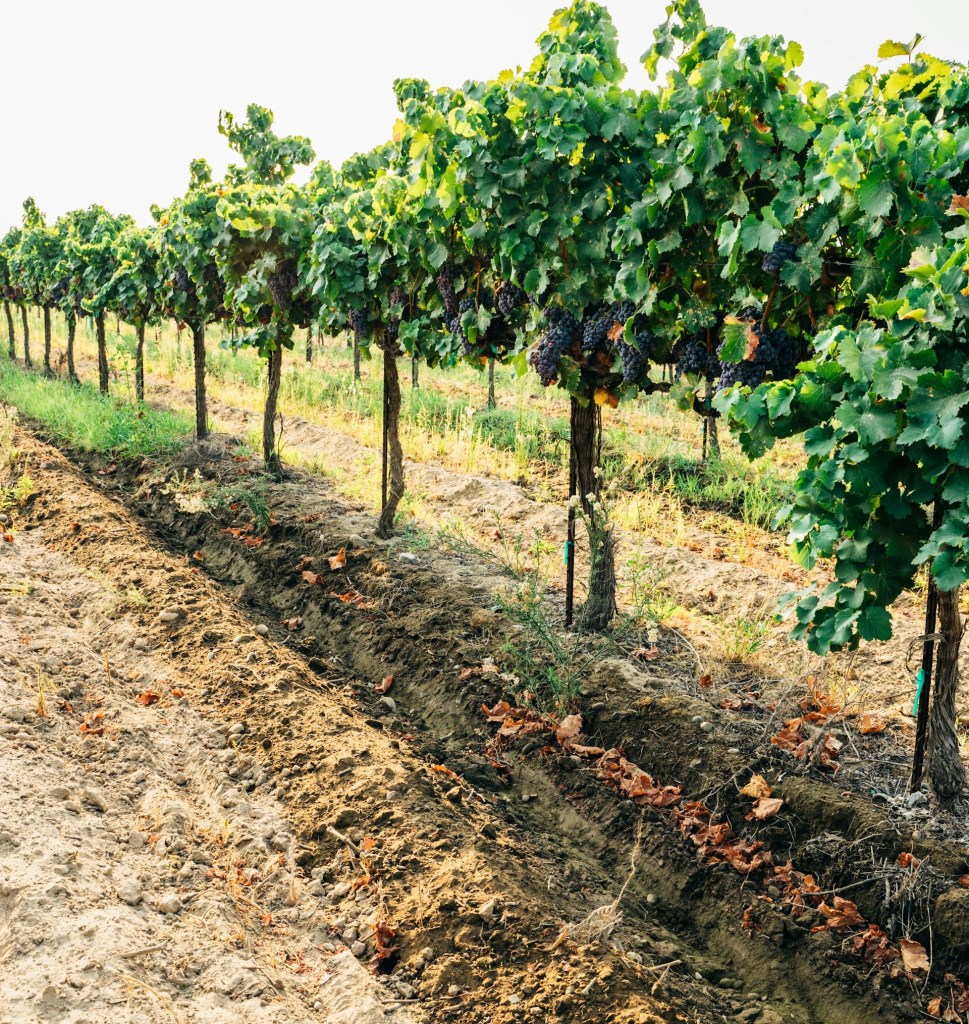
When we talk about what makes Australian wine so diverse, we often mention climate and grape variety, but one of the most powerful and often overlooked influences is right under the vines: soil.
Why Does Soil Matter?
Soil shapes wine in subtle but important ways. It influences:
- Water availability → impacts ripeness, tannin development, and acidity
- Root depth → affects vine stress, which often intensifies flavour
- Mineral content → contributes to mouthfeel and “texture”
- Temperature regulation → different soils heat and cool at different speeds, affecting grape ripening
Even vineyards just metres apart can produce different-tasting wines because of slight soil variations. Let’s look at three of Australia’s most influential soil types and how each one expresses itself in the glass.
Granite: Lean and Elevated
Found in regions like the Macedon Ranges and parts of Western Australia’s Great Southern, granite is a coarse, free-draining soil that makes vines work harder.
- Water holding: Poor. Vines dig deep, leading to lower yields and concentrated fruit
- Grape effect: Wines tend to be elegant, aromatic, and high in acidity
- Typical styles: Pinot Noir, Chardonnay, and Riesling with precision and minerality
Clay: Rich and Structured
Clay soils are common in Barossa Valley and McLaren Vale, especially in sub-regions producing powerful red wines.
- Water holding: High. Holds moisture and nutrients
- Grape effect: Produces bold, structured wines with deep colour and firm tannin
- Typical styles: Shiraz, Grenache, Cabernet Sauvignon with body and weight
Limestone: Balanced and Bright
Limestone-rich soils, like those in Coonawarra’s terra rossa or parts of Padthaway, are alkaline and minerally. They’re especially good for wines with natural acidity and longevity.
- Water holding: Moderate, with good drainage from underlying rock
- Grape effect: Wines show brightness, structure, and aging potential
- Typical styles: Cabernet Sauvignon, Chardonnay, Sauvignon Blanc
Final Sip
Next time you taste an Australian wine, think beyond grape and region and consider the ground it came from. Whether it’s the elegant acidity of granite-grown Pinot, the powerful depth of clay-based Shiraz, or the bright structure of limestone Cabernet, soil leaves a silent but lasting imprint in every glass.
 Bush & Barrel
Leave a comment