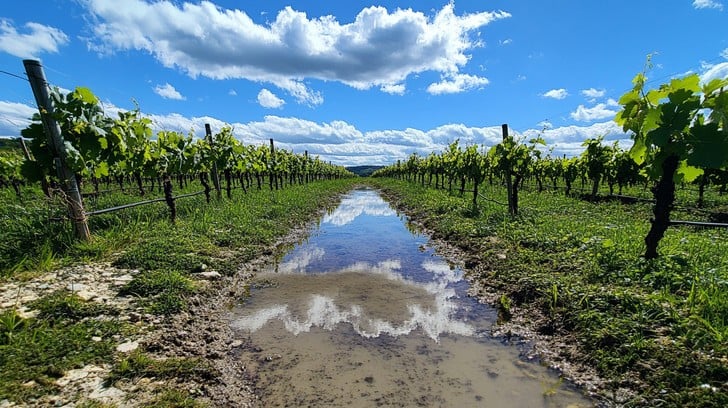
Wine is a living reflection of time and place and no two years in the vineyard are ever the same. This is the beauty (and mystery) of vintage variation: how differences in weather, rainfall, and sunlight during a growing season can dramatically influence what ends up in your glass.
What Does “Vintage” Really Mean?
In wine, vintage refers to the year the grapes were harvested. It’s not about when the wine was bottled or sold, it’s about when the fruit grew and ripened. And just like no two summers are exactly alike, neither are two vintages.
A warm, dry year might produce bold, ripe reds. A cooler or wetter year might result in wines that are lighter, more acidic, or more aromatic.
How the Weather Shapes the Wine
Here’s how seasonal shifts can shape a vintage:
- Heatwaves & Sunshine: These ripen grapes faster, leading to higher sugar, more alcohol, and fuller body.
- Cooler Temperatures: Slow ripening = higher acidity and more elegance.
- Rain at the Wrong Time: Can dilute flavours or even cause rot, especially close to harvest.
- Drought or Bushfires: Australia knows these challenges well. From smoky taint to water stress, extremes can leave a distinct mark.
Why Some Years Are “Better” Than Others
Wine critics love to talk about “great vintages”, but that’s often based on classic benchmarks like balance, aging potential, or ripeness. In Australia, for example:
- 2018 Barossa Valley was celebrated for its warm, dry conditions that made rich, powerful Shiraz.
- 2021 in many cool-climate regions was praised for fresh, vibrant whites and Pinot Noirs due to a cooler, slower ripening season.
But “better” depends on your taste. Some wine lovers prefer bold and rich; others prefer lean and crisp.
Should You Care About Vintage?
Yes, if you want to better understand your wine. But it doesn’t mean only chasing “perfect years.” A lesser-known vintage might surprise you with finesse and charm and often comes at a better price.
If you’re buying wine to drink soon, vintage variation adds excitement. If you’re cellaring, it’s a key factor in aging potential.
Vintage variation is often most noticeable in cool-climate or minimal-intervention wines, where the winemaker lets nature lead.
Final Sip
Vintage variation is what makes wine wine, not soda. It keeps things real, seasonal, and expressive. So next time you lift a glass, look for the vintage, Google the year’s weather, and taste the story of that season.
 Bush & Barrel
Leave a comment