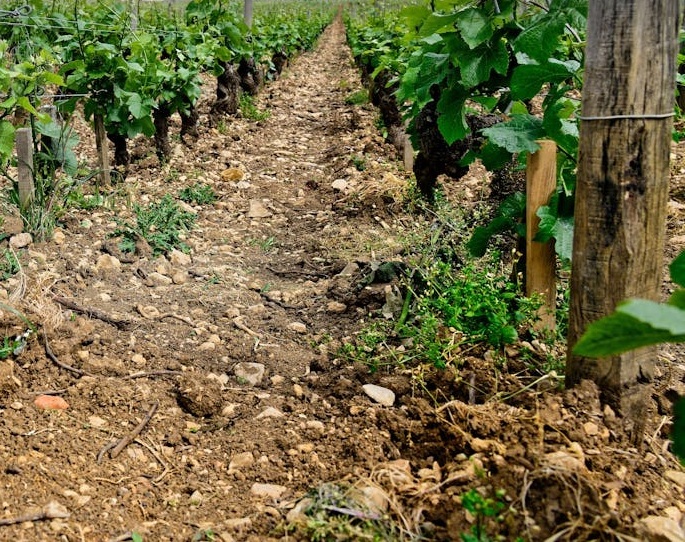
Australia’s diverse soils are more than just dirt. They are the soul behind every swirl of Shiraz or sip of Chardonnay. From the terra rossa of Coonawarra to the volcanic soils of the Hunter Valley, terroir leaves its fingerprint on every bottle.
Much of Australia’s vineyard land sits on some of the oldest soils on Earth, weathered over millions of years and uniquely expressive of place. These ancient landscapes give rise to wines that speak with unmistakable regional identity.
What Is Terroir, Really?
“Terroir” is a French term that encompasses the climate, topography, and most importantly soil of a vineyard site. In essence, it’s the taste of place. While climate and viticultural techniques matter, soil is the unsung hero shaping a wine’s body, flavour profile, acidity, and aroma.
A Soil for Every Style
Australia is blessed with a rich mosaic of soil types, each influencing vines in unique ways.
- Terra Rossa (Coonawarra, SA): This iron-rich red clay over limestone produces powerful, age-worthy Cabernet Sauvignon with deep fruit and fine tannins.
- Granite (Macedon Ranges, VIC): A lean, well-drained soil ideal for elegant Pinot Noir and cool-climate Chardonnay.
- Sand and Basalt/Volcanic (Hunter Valley, NSW): Sandy soils support Semillon’s freshness and citrus clarity, while basalt and volcanic sites give Shiraz structure and savoury depth.
- Limestone (Limestone Coast, SA): Alkaline soils that help retain acidity in grapes, essential for balanced, structured white wines.
Why It Matters in Your Glass
Ever noticed a subtle minerality in a Clare Valley Riesling or the dusty earth note in a Heathcote Shiraz? That’s terroir speaking. Soil affects water retention, root growth, and nutrient uptake, all influencing how the grape develops and what it expresses in the glass.
Final Sip
Understanding soil brings a new layer of appreciation to your wine experience. Next time you pick up a bottle, take a moment to look beyond the label and ask: What story is the earth telling me?
 Bush & Barrel
Leave a comment