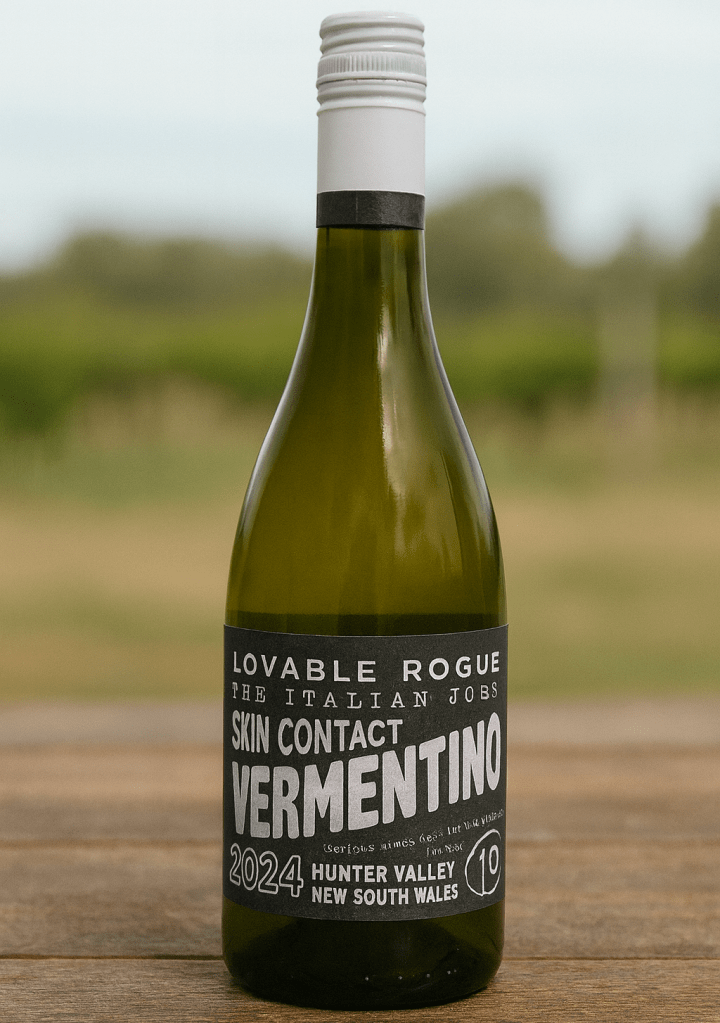
Italian grape varieties have found a second home in Australian vineyards, bringing with them centuries of heritage and a fresh sense of possibility. From Fiano and Vermentino to Sagrantino and Montepulciano, these grapes are quietly reshaping how Australian winemakers think about warmth, texture, and balance.
Why Do They Fit?
Australia’s Mediterranean-like climate gives Italian grapes a natural advantage. Warm days, cool nights, and long ripening seasons allow them to develop flavour without losing acidity. Many of these varieties evolved under the same kind of sun and sea breeze rhythm that now defines parts of South Australia, Victoria, and New South Wales. They hold their freshness, ripen steadily, and reward patience in both vineyard and winery.
From Skin to Soul
Modern Australian winemakers approach these grapes with both respect and curiosity.
Some Fianos spend time on skins, building texture and gentle grip that brings almond and honey tones. Vermentino is often fermented cool in stainless steel to preserve citrus brightness, while others rest on lees to add weight and a savoury edge. Some varieties, such as Verduzzo, are fermented on wild yeast, allowing the natural microflora of the winery to shape the wine’s character and texture in unpredictable but rewarding ways. Among the reds, Sagrantino may be gently foot-stomped to soften its firm tannins, while Montepulciano benefits from slow, oxygen-controlled maturation that polishes its naturally bold structure.
A Growing Conversation
What makes these Italian grapes so exciting in Australia is not just how they perform, but how they inspire change. Winemakers experimenting with these varieties often work with smaller ferments, wild yeast, and minimal additions, guided by intuition rather than recipe. The result is a movement toward balance and restraint wines with flavour and presence, but also freshness and food-friendliness. They are wines made to be shared at the table, not stored away for ceremony.
Character in Contrast
In Italy, these varieties speak of place: Campania for Fiano, Sardinia for Vermentino, and Umbria for Sagrantino. In Australia, they speak of interpretation. The fruit is often a little riper, the acidity rounder, yet the energy and brightness remain. What emerges is not imitation but conversation between tradition and experimentation, between old soils and new ideas.
Final Sip
Tasting these wines feels like standing between two landscapes: the limestone hills of southern Italy and the red soils of the Australian countryside. Each bottle tells a story of adaptation and discovery, of grapes that travelled across oceans and found new meaning beneath a different sun. It is a reminder that in wine, place is never fixed. It evolves, just as the vines do.
 Bush & Barrel
Leave a comment