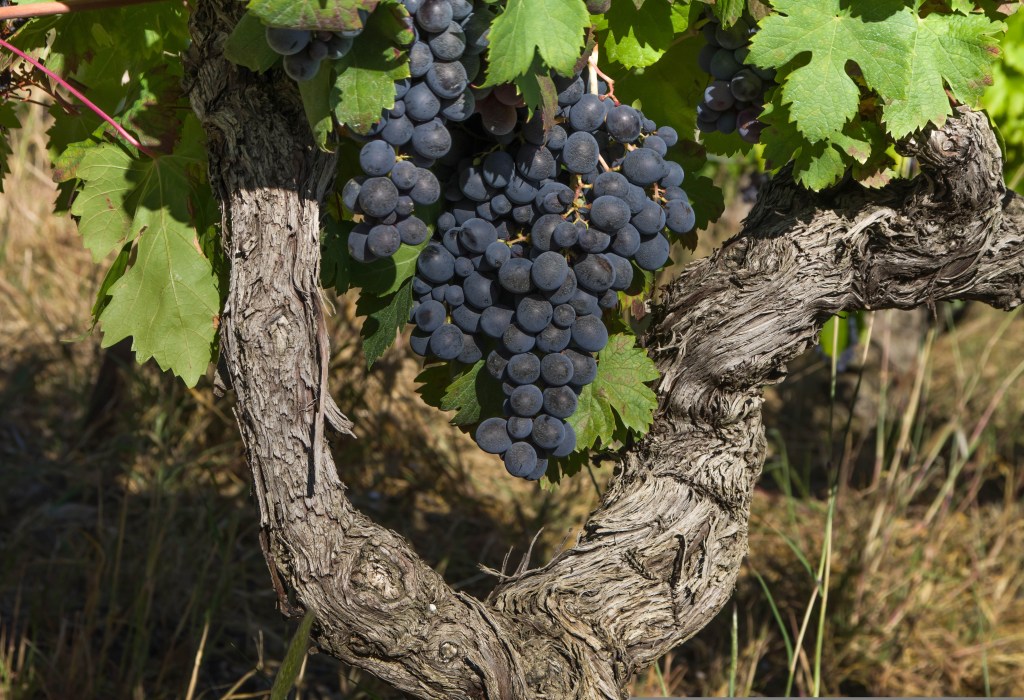
There is something quietly fascinating about a grape that wears two names yet speaks in different accents. Garnacha in Spain tells of sun baked slopes and centuries old vines, while Grenache in Australia shows modern precision and clarity. Both are expressive, shaped by the land and the hands that guide them, with roots in northeastern Spain and a history that spans continents. It is one of my favourite grapes I have made wine with, drawing me in for its lifted aromatics, soft tannins, bright red cherry flavours and gentle white pepper spice.
What Makes Australia’s Grenache Precision and Finesse?
In Australia, Grenache often shows a lighter, more articulate personality. Warm Mediterranean climates and well-drained soils in regions like Barossa Valley and McLaren Vale allow grapes to ripen fully while preserving bright red fruit flavours and subtle peppery notes. Old vines in these warm sites can still produce fuller-bodied, richly fruited wines, but the emphasis remains on balance and elegance.
Careful modern winemaking techniques play a key role. Gentle extraction helps manage tannin and texture, while minimal to no oak influence allows the fruit and aromatics to remain clear and precise. While increasingly celebrated as a varietal, Grenache remains vital in blends, particularly with Shiraz and Mourvedre (GSM) where it contributes perfume, supple tannins, and balance rather than power.
Spain’s Garnacha: Power Shaped by Tradition
In Spain, Garnacha speaks with warmth and depth. Grown on hot, sun-baked slopes, it ripens generously, producing wines with weight, richness, and intensity. In places like Priorat, poor slate soils add mineral tension and structure, while limestone and clay elsewhere bring breadth and savoury depth. Old vines deliver ripe red fruit layered with earthy spice and a gentle peppery edge.
Garnacha is often aged in large, neutral oak or blended with varieties like Tempranillo in Rioja and Carignan in Priorat. The result is a style shaped by climate, soil, and centuries of practice. Spanish Garnacha is generous, grounded, and expressive, carrying the weight of tradition in every glass.
Power vs Precision in the Glass
Tasting them side by side, the differences are clear. Spanish Garnacha offers bold red fruits, often with earthy, spicy, and mineral nuances. In warmer regions or older vines, darker fruit notes can also emerge. Australian Grenache presents bright red fruits, lifted aromatics, medium body, fine tannins, and subtle peppery notes. One speaks of tradition and warmth, the other of refinement and focus. Both are compelling, yet their voices are distinct.
Final Sip
Spain’s Garnacha and Australia’s Grenache are siblings shaped by land, climate and philosophy. Whether in a single varietal expression or a carefully crafted blend, each shows how the same grape can tell very different stories. Sip them side by side, and you taste history, intention, and place. One grape, two voices, each unforgettable in its own right.
 Bush & Barrel
Leave a comment