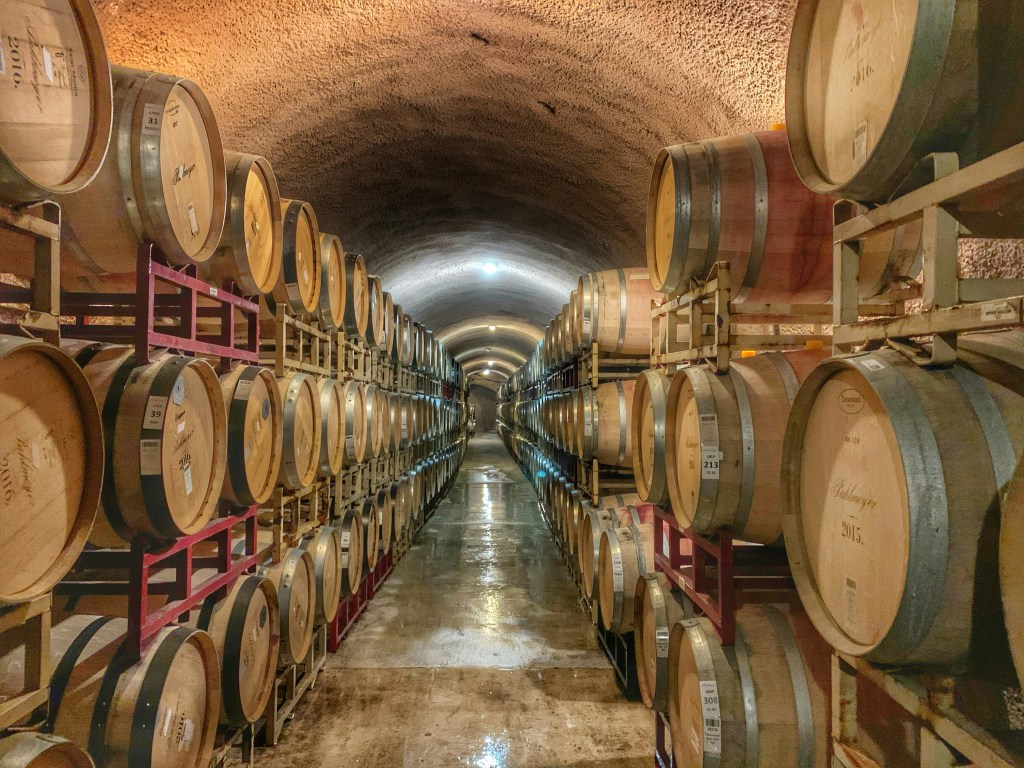
I’ve been asked what the percentage of new oak means in a wine description and why winemakers mention barrels being used for the second or third time. If you read Australian wine descriptions, you’ve probably come across these terms too.
Whether it’s Shiraz or Chardonnay, the choice of barrels and how long the wine spends in them can influence what we taste. Let’s look at what those details mean.
What Does the Percentage Mean?
For a wine aged entirely in oak barrels, “30% new oak” generally means 30% of the wine ages in new barrels, while the remaining 70% ages in previously used barrels. These portions are then blended before bottling.
Imagine ten equally full barrels of the same size. Three are new, and seven have held wine before. Combining equal amounts from all ten gives a blend with 30% new oak.
“100% new oak” means all the wine undergoes that ageing stage in new barrels.
What Happens After the First Use?
A new barrel holds wine for the first time. A barrel being used for the second time has already held one batch, while one being used for the third time has held two.
Each time a barrel is used, wine draws flavour compounds from the wood, leaving less available for the next batch. Previously used barrels generally give less oak flavour, although their influence also depends on how long earlier wines spent inside them.
Winemakers can choose these barrels when they want a gentler oak contribution. The wine continues to develop through gradual oxygen exposure and other changes during ageing. With proper cleaning and care, barrels can remain useful for many years.
Keeping wines in separate barrels also gives the winemaker options when putting the final blend together. They can taste the wine from each barrel and decide which combinations work best. The proportion of new oak may change between vintages as they respond to the fruit and the style they want to make.
Time in Barrel Matters Too
How long a wine spends in barrel matters alongside the proportion of new oak.
Some oak compounds pass into the wine quickly, especially when the barrel is new. Others are released more slowly. The pace changes over time, so doubling the months in barrel won’t necessarily give twice the oak flavour.
While this happens, small amounts of oxygen interact with the wine, and some wine evaporates through the barrel. These processes also influence how the wine develops, even in older barrels that contribute little oak flavour.
When reading a wine’s description, check how much time it spent in barrel and how much in bottle. Twelve months in barrel followed by six months in bottle describes two different stages of development.
Australian Wines Put the Numbers in Context
Penfolds offers two examples. Its Grange 2021 spent 18 months in American oak hogsheads, all new. Bin 389 Cabernet Shiraz 2022 spent 12 months in American oak hogsheads, with 36% new oak. Penfolds says some of the wine for Bin 389 matures in barrels that previously held Grange. A hogshead typically holds around 300 litres.
In the Adelaide Hills, Shaw + Smith’s Balhannah Vineyard Shiraz 2023 spent 14 months in larger French oak barrels holding 500 to 600 litres, with 15% new oak. It then spent another 14 months in bottle before release.
White wines show these choices too. In Margaret River, Vasse Felix’s 2024 Chardonnay matured for ten months in French oak barriques, with 30% new oak. A barrique typically holds 225 litres.
Look Beyond the Numbers
Barrel size matters too. With the same type and age of oak, a smaller barrel generally gives more wood contact per litre of wine, which can lead to a stronger oak influence. The type of oak and how the barrel’s interior is heated, known as “toasting,” also help shape the flavours it contributes.
The wine itself matters just as much. Its fruit, structure, and the style the winemaker wants to achieve all play a part in choosing the barrels and deciding how long the wine stays in them.
Final Sip
Next time you see “30% new oak” or “barrels used for the third time,” you’ll have a better idea of what they mean. Read those details alongside the time spent in barrel, then see what you notice in the glass. You might pick up a little toast or spice, or find the oak sits quietly alongside the fruit.


Leave a Reply